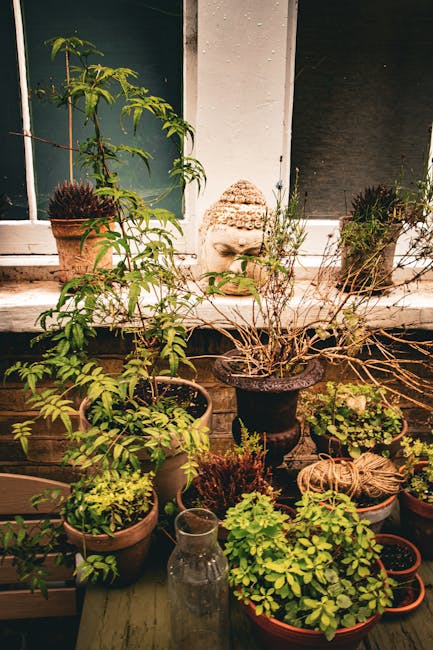
Elgin Avenue W9 gardeners for terraced gardens Maida Vale

If you live on Elgin Avenue or nearby in Maida Vale, you probably already know the quirks of a terraced garden: narrow access, shaded corners, awkward levels, and just enough space to make every planting decision matter. That is exactly where experienced Elgin Avenue W9 gardeners for terraced gardens Maida Vale can make a real difference. A good local gardener does more than cut back a hedge or tidy a lawn. They help you turn a small, often busy outdoor space into something calm, practical, and genuinely enjoyable to use.
Terraced gardens in this part of London often need a slightly different approach from larger suburban plots. You want structure, light, privacy, and planting that can cope with the rhythm of city life. You also want work carried out neatly, safely, and without creating a mess that lingers for days. This guide explains how terraced garden care works, what to expect, where the value lies, and how to choose the right support for your space.
Practical takeaway: in a terraced Maida Vale garden, the best results usually come from simple design choices, regular maintenance, and a gardener who understands space constraints as well as plants.
Why Elgin Avenue W9 gardeners for terraced gardens Maida Vale Matters
Terraced gardens are not a generic garden with the edges trimmed off. They are their own thing. On streets like Elgin Avenue, you often see long narrow plots, limited side access, shared boundaries, and a mix of old brickwork, mature planting, and compact patios. That creates opportunities, but also constraints. The wrong approach can make a garden feel darker, tighter, and more high-maintenance than it needs to be.
Local gardeners who regularly work in Maida Vale understand how to deal with these realities. They know that a tall hedge can block too much light, that a poorly positioned tree can dominate a small space, and that drainage in a terraced setting needs a watchful eye. They also tend to work with the practical rhythm of city households. You may not want a full-day project every week. You may want tidy, dependable maintenance that keeps everything under control without turning your weekend upside down. Fair enough, really.
There is also a style element. Terraced gardens in W9 often benefit from restrained, elegant planting rather than a cluttered mix of everything at once. Think layered greenery, repeating textures, and carefully planned seating areas. That approach suits the architecture, keeps sightlines open, and makes a small garden feel more generous. Done well, it can be surprisingly transformative.
If you are planning wider improvements beyond routine maintenance, a coordinated approach through services overview and landscape gardening can help the whole space feel intentional rather than pieced together.
How Elgin Avenue W9 gardeners for terraced gardens Maida Vale Works
In practice, good terraced garden care starts with observation. A professional gardener will usually look at the site from several angles: light levels, access points, soil condition, existing planting, boundary issues, and how you actually use the garden. That first look matters more than many people realise. A quick tidy-up is one thing; a garden that looks better in six months is another.
From there, work is usually broken into manageable tasks. In a smaller terraced garden, this might include lawn care, hedge shaping, pruning, weed control, bed edging, leaf clearance, planting, and sometimes hardscape maintenance like sweeping or small repairs around a patio. If the space has become overgrown, a more substantial reset may be needed first, followed by a maintenance plan. That is often the point where garden clearance becomes the sensible starting place rather than trying to tidy around the problem.
Because terraced gardens tend to be close to houses and neighbours, a good gardener also works carefully and cleanly. Tools are selected for the job, green waste is managed properly, and work is timed so disruption is kept low. You do not want someone dragging heavy debris through a narrow hallway or leaving piles of cuttings sitting around in the rain. Nobody needs that kind of Monday morning.
If a garden has recurring maintenance needs, pairing regular visits with garden maintenance can be much more effective than one-off interventions. For gardens with structured edging, boundary shrubs, or privacy planting, hedge trimming often plays a central role too.
Key Benefits and Practical Advantages
The value of specialist terraced garden work is not just that the garden looks neat. It changes how the space behaves day to day. A compact garden that is properly maintained feels easier to use, easier to enjoy, and easier to live with. That sounds simple, but in London, simplicity is a luxury.
- Better use of limited space: small gardens benefit from clean lines, sensible planting, and fewer visual distractions.
- Improved light and airflow: careful pruning and plant placement can stop the garden feeling boxed in.
- Less long-term upkeep: regular maintenance prevents small issues turning into time-consuming jobs later.
- More privacy without overgrowth: well-managed hedges and shrubs can screen views while keeping things balanced.
- Safer movement and access: tidy paths, even edges, and clear routes reduce trip hazards.
- Higher everyday enjoyment: a garden you can step into without thinking twice gets used more often. Simple as that.
There is another benefit that is easy to underestimate: confidence. Once a small terraced garden is under control, you stop worrying about what you will find after a wet week or a windy one. You know where things stand. That peace of mind is worth a lot, especially if life is already full enough.
For some households, the most practical result is not a dramatic redesign at all. It is a garden that stays manageable between visits, with the right tasks handled on a sensible cycle. If that is your aim, it can be worth looking at lawn mowing, tree lopping and removal, and related upkeep as part of a broader maintenance plan.
Who This Is For and When It Makes Sense
This kind of gardening support is ideal for homeowners, tenants, landlords, and property managers dealing with compact outdoor spaces in Maida Vale. It is especially useful if your garden has become harder to manage over time, or if you simply do not have the hours to keep it looking tidy.
It makes sense if you are:
- living in a terraced house with a narrow rear garden;
- trying to make a shaded space feel brighter;
- dealing with boundary hedges that grow fast and unevenly;
- preparing a property for sale, rent, or a family event;
- recovering a garden that has become cluttered or overgrown;
- planning a quieter, lower-maintenance planting scheme;
- looking for ongoing support rather than a one-off blitz.
You might also be at the stage where the garden works in theory, but not in daily life. Maybe the lawn gets patchy because of shade. Maybe the rear corner fills with dead leaves every autumn. Maybe the planting looks nice for a few weeks, then gets messy. That is usually the sign that a more tailored plan is needed, not a complete reinvention.
And to be fair, not everyone wants a high-design garden. Some people just want it to look cared for. There is nothing wrong with that. A clean, balanced garden can be far more satisfying than something overcomplicated and fussy.
Step-by-Step Guidance
If you are approaching a terraced garden in Maida Vale for the first time, a simple process usually gives the best outcome. Here is a practical way to think about it.
- Assess the space honestly. Look at what is thriving, what is failing, and what simply gets in the way. Pay attention to light, drainage, and access.
- Decide the main purpose. Is this a garden for relaxing, dining, growing plants, children, pets, or just easy maintenance? If you skip this step, the design tends to drift.
- Remove clutter and dead growth. Clear out damaged, overcrowded, or unused material first. A fresh start can reveal the actual shape of the garden.
- Choose a simple structure. In a narrow garden, a few repeated plants and a clean layout usually beat lots of tiny features.
- Set the maintenance rhythm. Agree what needs weekly, monthly, seasonal, or occasional attention. This is where regular garden maintenance becomes useful.
- Manage the edges. Borders, hedges, fences, and paths frame the space, so keep them neat. That alone can change the whole feel of the garden.
- Review after a few weeks. Gardens evolve. A bed that looked good in spring may need a tweak by midsummer. That is normal.
A small note from experience: the best terraced gardens are often the ones with the fewest forced ideas. A single good seating area, a clear route, and planting that repeats naturally can look more polished than a space packed with features. You do not need to shout with a garden. Let it breathe a bit.
Expert Tips for Better Results
There are a few things seasoned gardeners tend to do almost instinctively in terraced settings, and they are worth borrowing.
- Use vertical structure carefully. Trellis, climbers, and trained shrubs can add privacy without swallowing the garden. The trick is restraint.
- Think in layers. Low plants in front, medium structure in the middle, taller planting at the back. It sounds basic because it is basic, but it works.
- Repeat materials and colours. A narrow garden often feels calmer when the same paving tone, pot style, or plant palette appears more than once.
- Keep the centre usable. It is easy to fill every inch. But if you want the garden to work, leave room to move.
- Prune for shape, not just size. Cutting everything shorter is not the same as shaping it well.
- Watch the wet corners. In urban gardens, waterlogging can appear in one awkward spot and quietly spoil an otherwise lovely design.
If your garden includes trees or dense shrubs, do not ignore the long game. A plant that looks modest today may be doing very different things in two or three years. That is why tree and shrub care matters, and why some properties benefit from periodic tree lopping and removal when growth starts to dominate the layout.
One more thing: good gardeners do not just cut and clear. They notice patterns. A recurring patch of moss, a border that never quite dries, or a hedge that leans toward the light tells you something about the site. Listen to that. It saves time later.
Common Mistakes to Avoid
Terraced gardens in Maida Vale are easy to overcomplicate. That is probably the most common mistake right there. People try to squeeze in too many plants, too many containers, or too many separate zones. The result is a garden that feels busy before anyone has even sat down.
Other mistakes crop up again and again:
- Ignoring access: if a gardener cannot move equipment or waste easily, the job becomes slower and more expensive.
- Over-pruning: hacking shrubs back hard can make them look bare and patchy for months.
- Picking plants for appearance alone: a plant that looks beautiful in a catalogue may be wrong for shade, wind, or soil conditions.
- Skipping maintenance after the tidy-up: a one-off clean-up helps, but the garden will drift again without follow-up.
- Focusing only on the lawn: in a terraced garden, the borders, edges, and boundaries often matter more visually.
- Leaving waste and debris behind: this is such a small detail, but it changes how you feel about the whole service.
And yes, clutter can return fast. A windy week, a couple of heavy showers, and suddenly the garden looks like it has opinions. That is why a realistic plan matters more than heroic one-off effort.
Tools, Resources and Recommendations
You do not need a shed full of specialist kit to maintain a small terraced garden, but the right tools make a huge difference. For routine care, most gardeners rely on a blend of hand tools and compact powered equipment chosen to suit the job.
Useful basics include:
- sharp secateurs for precise pruning;
- loppers for thicker stems and smaller woody growth;
- hedge trimmers for neat boundary shaping;
- lawn mowers sized for the space;
- leaf rakes and clear-up tools for seasonal maintenance;
- spades and trowels for planting and border work;
- containers or staging pieces for compact design where ground space is limited.
For a homeowner, the practical recommendation is usually this: do not buy every tool under the sun. Instead, invest in a few reliable basics and bring in professional help for the jobs that need speed, reach, or specialist handling. If you are planning work across paving, steps, and small outdoor surfaces too, a broader maintenance approach can be helpful, especially where decking services or minor landscape adjustments are part of the picture.
It is also sensible to think about waste handling and sustainability. Garden cuttings, soil, and removed material should be disposed of responsibly, and reusable material should be considered before it is simply thrown away. The best jobs usually leave the garden tidy and the footprint lighter. A bit of common sense goes a long way there.
Law, Compliance, Standards, or Best Practice
For most domestic garden work, the key standards are practical rather than bureaucratic. You want safe working methods, proper handling of tools, clear agreements on scope, and responsible disposal of waste. If work involves ladders, powered tools, heavy lifting, or tree work, safety discipline matters. It really does.
Good practice in a London terraced garden usually includes the following:
- Safe access planning: especially where passage through the house or narrow side routes is required.
- Risk awareness: checking for trip hazards, unstable paving, low branches, and hidden obstacles before work starts.
- Proper insurance and safety awareness: a sensible provider should be able to explain how they approach this in straightforward language.
- Waste handling and recycling: green waste should be removed or processed responsibly where possible.
- Clear terms: agree what is included, what is excluded, and how additional work is handled.
If you are comparing providers, it is worth reviewing their insurance and safety, health and safety policy, and recycling and sustainability approach. Those pages tell you a lot about how seriously a business takes the basics, and in gardening the basics are not optional. They are the job.
Payment clarity matters too. A proper quote process should explain how pricing is structured, whether there are call-out expectations, and how seasonal or one-off jobs are handled. If anything feels vague, ask. A good contractor will not mind being asked to explain the detail. If they do, that tells you something useful as well.
Options, Methods, or Comparison Table
Not every terraced garden needs the same kind of help. Some benefit from routine maintenance, while others need a structural refresh first. The table below gives a simple comparison of common approaches.
| Approach | Best for | Typical strengths | Watch-outs |
|---|---|---|---|
| Regular maintenance | Tidy, established gardens | Predictable upkeep, better long-term control, lower stress | Does not solve major layout or overgrowth problems on its own |
| Clearance then maintenance | Overgrown or neglected spaces | Fast reset, easier to see the true shape of the garden | Needs follow-up, otherwise the garden drifts again |
| Light landscaping | Gardens needing a better structure | Improves flow, usability, and balance | Can be more disruptive if scope is not clear |
| Boundary-focused care | Gardens with privacy or shade issues | Better screening, cleaner edges, stronger visual structure | Overcutting hedges or trees can reduce privacy |
In many Maida Vale terraces, the best result is a combination: a clearance or reduction phase, then steady maintenance, and perhaps one or two structural changes to make the garden easier to live with. You do not always need a full redesign. Often, less is better.
Case Study or Real-World Example
Here is a realistic example. A terraced garden off Elgin Avenue had become cramped and a little apologetic, if that makes sense. The lawn had thinned in the shadier section, the back border had filled with self-seeded growth, and a pair of boundary shrubs had grown dense enough to make the garden feel darker than it needed to be. Nothing dramatic. Just enough to make the space feel like a chore.
The first step was a proper tidy-up: removing dead growth, reducing the size of the most intrusive shrubs, and clearing the border edges so the structure of the garden could be seen again. After that, the layout was simplified. A clearer path through the space, a smaller planting palette, and more thoughtful spacing between shrubs made the garden feel calmer straight away.
The important part was not the one-day makeover, though that helped. It was the follow-up. Regular maintenance kept the hedges from becoming overbearing again, the lawn stayed serviceable, and the borders were managed before they started to look ragged. The garden did not become bigger. It just became easier to enjoy.
That is the real win in many terraced gardens. Not drama. Not a magazine transformation. Just a space that works better on a damp Tuesday evening when you want to step outside, breathe for a minute, and not feel guilty about the weeds.
Practical Checklist
Use this checklist before booking work or planning your next garden visit:
- Identify the main purpose of the garden: relaxing, dining, planting, family use, or low-maintenance appeal.
- Check where the light falls during the day and which areas stay shaded.
- Look for access issues, tight paths, or areas where waste removal may be awkward.
- Note any hedges, shrubs, or trees that are blocking light or crowding the space.
- Decide whether the garden needs clearance, regular maintenance, or a mix of both.
- List any surfaces that need attention, such as decking, edging, or paving.
- Ask how green waste will be handled and whether recycling is part of the service.
- Make sure safety, insurance, and scope are discussed clearly before work begins.
- Choose a realistic maintenance rhythm you can stick to.
- Review the garden after the first round of work and adjust the plan if needed.
Tip: if you are unsure where to begin, start with the parts that make the garden feel most crowded. That usually gives the quickest visual relief and helps everything else make sense. A bit of breathing room changes everything.
Get a free quote today and see how much you can save.
Conclusion
Elgin Avenue W9 gardeners for terraced gardens Maida Vale are about more than simple upkeep. They bring structure, practicality, and calm to spaces that can easily become awkward or overgrown. In a terraced setting, small decisions matter: where the light lands, how the boundaries are handled, what gets cut back, and what should be left alone.
The best outcome is usually not the most dramatic one. It is the one that makes the garden easier to use, easier to maintain, and more enjoyable across the seasons. If you get that balance right, a modest terraced garden can feel surprisingly generous. And that, honestly, is one of the nicest parts of gardening in this part of London.
When a space feels looked after, people use it more. They sit out longer. They notice the scent of the soil after rain, the way the light moves across the wall in late afternoon, the quiet little moments that make a garden feel like part of home.
Frequently Asked Questions
What do Elgin Avenue W9 gardeners for terraced gardens Maida Vale usually help with?
They typically help with maintenance, hedge trimming, lawn care, planting, clearance, pruning, and making narrow urban gardens feel more manageable. In many cases, the work is as much about organisation and flow as it is about plants.
How often should a terraced garden in Maida Vale be maintained?
That depends on the planting and how quickly growth develops, but many gardens benefit from regular attention rather than occasional heavy work. Small, frequent visits often keep the space tidier and reduce the need for bigger interventions later.
Do small terraced gardens need landscape gardening or just maintenance?
Some only need maintenance, but if the layout feels awkward, shaded, or difficult to use, light landscape gardening may help. A better path, improved borders, or a clearer planting structure can make a surprising difference.
What makes terraced gardens harder to manage than larger gardens?
They usually have tighter access, less room for equipment, more shading, and a stronger need for careful planning. One overgrown shrub can dominate the space much faster than it would in a larger plot.
Can a gardener help if my garden is badly overgrown?
Yes. In many cases, the right starting point is a proper clearance before moving into ongoing maintenance. That approach gives you a clean slate and makes future care far easier.
Is hedge trimming important in a Maida Vale terraced garden?
Very often, yes. Hedges can provide privacy and structure, but they can also block too much light if they are left unchecked. The right trim keeps them useful rather than oppressive.
What should I ask before booking a gardener?
Ask what is included, how waste is removed, whether the provider is insured, and whether they can explain their safety approach clearly. If they also offer maintenance planning, that is often helpful for smaller gardens.
Do I need garden clearance before regular maintenance?
If the garden is cluttered, blocked, or overgrown, clearance is usually the better first step. Once the space is back under control, regular maintenance can keep it that way.
How do I keep a terraced garden looking good between visits?
Focus on simple tasks: remove fallen leaves, water when needed, keep paths clear, and avoid letting one area overtake the whole space. Little and often is usually the trick.
Are there special safety or insurance considerations for garden work in London terraces?
Yes, especially where ladders, tools, tree work, or access through narrow areas are involved. It is sensible to choose a provider who can explain their insurance and safety practices plainly.
Can decking work help in a terraced Maida Vale garden?
It can, if the garden would benefit from a more usable seating or transition area. Decking is not right for every space, but in some compact gardens it helps create a cleaner and more functional layout.
What is the best way to start if I am not sure what my garden needs?
Start with a basic assessment: light, access, overgrowth, and how you want to use the space. If you are still unsure, a straightforward maintenance or clearance discussion is often the easiest way to get clarity.