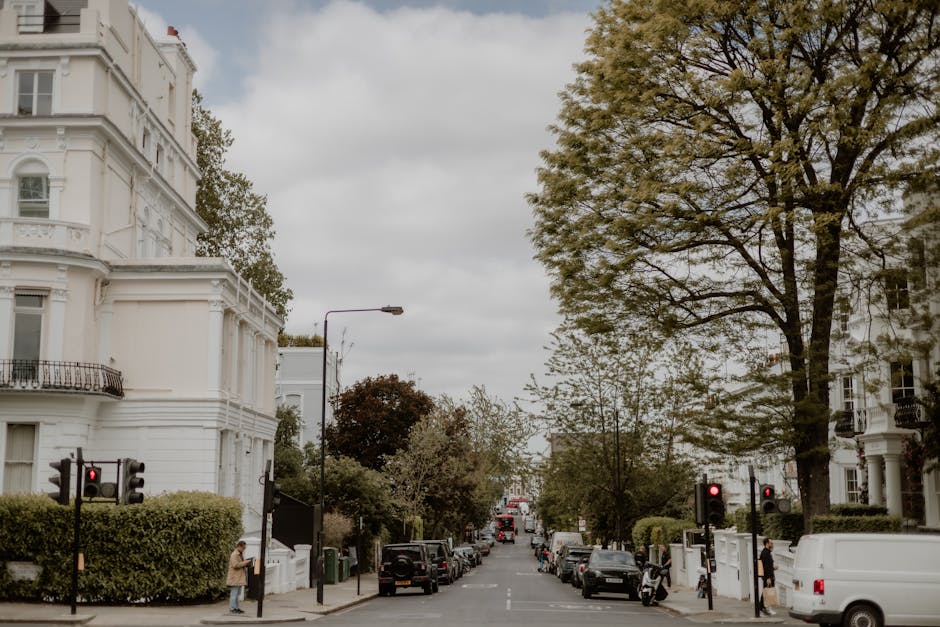
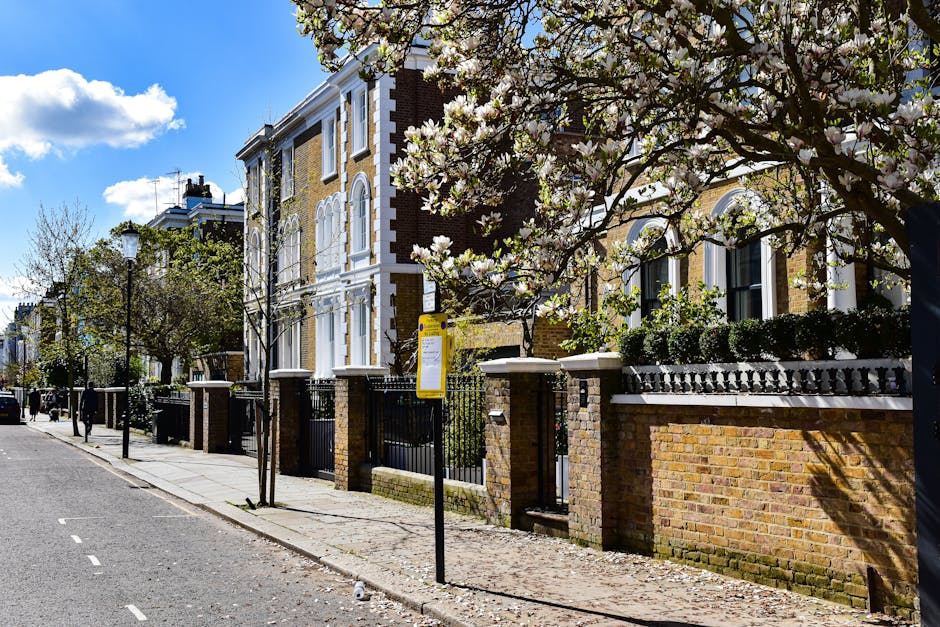
Warwick Avenue garden maintenance experts Maida Vale: a practical guide to keeping local gardens looking their best
If you live near Warwick Avenue, you already know the garden is doing more than sitting there looking pretty. In Maida Vale, small front plots, paved courtyards, shared access areas, and tucked-away rear gardens all have to work hard in a fairly urban setting. That means regular care matters. Warwick Avenue garden maintenance experts Maida Vale can help keep things tidy, healthy, and manageable without turning your weekends into an endless list of little jobs.
This guide explains what professional garden maintenance actually covers, how it works in practice, who benefits most, and what to look for before you book. It also gives you a realistic sense of the decisions involved, from seasonal upkeep to safety, recycling, and ongoing visits. No fluff. Just the useful stuff, with a local lens.
To be fair, a well-kept garden in this part of London is not about perfection. It is about consistency, sensible planning, and knowing what to do when growth gets ahead of you after a wet spell or a busy summer holiday. That is where experienced local maintenance really earns its keep.
Table of Contents
- Why Warwick Avenue garden maintenance experts Maida Vale matters
- How Warwick Avenue garden maintenance experts Maida Vale works
- Key benefits and practical advantages
- Who this is for and when it makes sense
- Step-by-step guidance
- Expert tips for better results
- Common mistakes to avoid
- Tools, resources and recommendations
- Law, compliance, standards, or best practice
- Options, methods, or comparison table
- Case study or real-world example
- Practical checklist
- Conclusion
- Frequently asked questions
Why Warwick Avenue garden maintenance experts Maida Vale Matters
Garden maintenance is easy to underestimate until the borders go leggy, the lawn starts looking patchy, and the patio gets swallowed by weeds. In Maida Vale, where gardens are often compact and highly visible from windows, balconies, and shared pathways, that slip is noticed quickly. A neglected space can make an otherwise lovely property feel tired.
Warwick Avenue garden maintenance experts Maida Vale matter because they understand the rhythm of local gardens. These are not sprawling suburban plots with endless room to experiment. They are often narrow, shaded, partially paved, or enclosed by mature boundaries. That changes everything: plant choice, pruning timing, watering habits, drainage, and even how waste is moved out safely.
There is also the simple matter of time. Most people do not want to spend Saturday morning cutting back a hedge with a wobbling ladder and a slightly dubious pair of secateurs. They want the garden to stay under control, without becoming a second job. That is a fair ask.
A good maintenance plan protects more than appearances. It can support healthier plants, reduce pest and disease pressure, improve access, and prevent small issues from turning expensive. A cracked pot edge, a blocked drain, or a climber escaping across a fence might seem minor. In real life, those little things add up.
Expert summary: local garden maintenance is not just about tidiness. It is about steady, practical care that suits the scale, style, and pace of Maida Vale gardens, especially where space is limited and every detail shows.
How Warwick Avenue garden maintenance experts Maida Vale Works
Professional garden maintenance usually starts with a clear look at the space. That might sound obvious, but it matters. A decent team will not just arrive and start cutting everything back. They will assess what is growing, what needs urgent attention, and what should be left alone for now. Sometimes the right answer is patience, not pruning. A plant may look unruly today but respond badly if it is hacked at the wrong time of year.
The work itself is usually a mix of routine and seasonal tasks. Routine jobs may include mowing, edging, weeding, deadheading, hedge trimming, sweeping paths, and checking basic plant health. Seasonal tasks might include leaf clearance, cutting back perennials, mulching, feeding, and preparing beds for spring or winter.
In many cases, maintenance is scheduled weekly, fortnightly, monthly, or by season. The right frequency depends on how fast the garden grows, how much you use it, and whether it is exposed to shade, wind, or heavy foot traffic. A courtyard garden with a few raised beds may need less frequent visits than a family garden with lawn, shrubs, and climbers everywhere.
Good maintenance also includes tidy disposal. Green waste should be handled responsibly, and where possible, recycled or composted in line with sustainable garden waste practices. That is one of those behind-the-scenes details people do not always notice, but they should.
And yes, the practicalities matter too: clear arrival times, respect for shared entrances, careful tool handling, and sensible communication if anything unexpected is discovered. A cracked sprinkler head, a diseased shrub, or a fallen branch should be pointed out, not hidden.
Key Benefits and Practical Advantages
The first benefit is obvious: the garden looks better. But the real value runs deeper than a neat finish on the day. Regular maintenance creates consistency, and consistency is what keeps small gardens from getting out of hand.
- Better plant health: routine deadheading, pruning, and feeding can support stronger growth and better flowering.
- Cleaner, safer access: paths, steps, and entries stay easier to use when they are swept and cleared regularly.
- Less emergency work: small issues are caught before they become major clear-ups.
- More usable space: a garden feels bigger when it is not crowded by weeds, overgrowth, or fallen debris.
- Less stress for you: fewer jobs hanging over your head, which honestly can make a bigger difference than people expect.
There is also a strong aesthetic benefit. In Maida Vale, a tidy garden often complements the architecture rather than competing with it. Whether the property is period, modern, or somewhere in between, well-maintained planting softens hard lines and gives the place a more settled feel. You notice it especially in the early evening when the light drops and the greenery reads more clearly against brick and stone.
Another advantage is predictability. Instead of a frantic tidy-up before guests arrive or before a landlord inspection, you can keep the space presentable all year. That is worth a lot. Truth be told, most people do not need a "revamp"; they need a garden that simply stays on top of itself.
If you want a broader view of what ongoing care can include, the services overview is a useful place to understand the typical scope of support.
Who This Is For and When It Makes Sense
Not every garden owner needs the same level of support. Some people enjoy spending time outside and only want help with the heavier jobs. Others need full, regular maintenance because their schedule, mobility, or property type makes do-it-yourself care difficult.
This kind of service tends to suit:
- busy professionals who rarely have time for weekly upkeep
- older homeowners who want to keep the garden manageable without strain
- landlords and letting agents who need outdoor areas kept presentable
- small households with compact but high-maintenance gardens
- owners of properties with communal or semi-private access areas
- people returning from holiday to find the garden has, well, had ideas of its own
It also makes sense after a period of neglect. Maybe the garden got away from you during renovations, a long illness, or just a hectic season. That is completely normal. A good maintenance team can reset the space and then keep it under control afterwards.
In Maida Vale, where many gardens are enclosed or shaded, there is another common trigger: plants can grow unevenly. One side may race ahead while another struggles. That can make the garden look messier than it really is. Expert maintenance helps balance those contrasts instead of overreacting to them.
Ask yourself a simple question: do you want to enjoy the garden, or manage it every spare moment? If it is the first one, regular maintenance probably makes sense.
Step-by-Step Guidance
Here is a sensible way to approach garden maintenance in Warwick Avenue and the wider Maida Vale area.
- Walk the space slowly. Look for overgrowth, bare patches, drainage issues, weeds, broken edging, and anything blocking access.
- Separate urgent jobs from cosmetic ones. Safety and plant health come first. A neat finish can wait.
- Decide what style you want. Low-maintenance, tidy and seasonal, or more ornamental. All are valid, but be clear.
- Check the access. Narrow side gates, shared entrances, basement steps, and limited storage matter more than you think.
- Set a realistic schedule. Weekly, fortnightly, or monthly. It should match growth, not wishful thinking.
- Confirm disposal and clean-up. Waste should be removed or managed sensibly, with no mess left behind.
- Review after the first visit. A good first session often reveals what the garden really needs over the next few months.
When maintenance is done well, it becomes a calm routine. Not glamorous, no. But very effective.
One practical tip: if you are not sure what to prioritise, start with edges, paths, and dead material. A garden can look dramatically better after those three things alone. Sometimes the fastest transformation is also the least dramatic one, which is slightly annoying but true.
Expert Tips for Better Results
Experienced gardeners tend to work with the garden, not against it. That sounds simple, but it separates decent maintenance from rushed trimming.
1. Prune with purpose. Do not cut just because something looks long. Ask whether it needs shaping, reducing, or simply tying in. In a small garden, careless pruning shows fast.
2. Watch the light. Maida Vale gardens often deal with shade from buildings and boundary walls. Choose plants that actually enjoy those conditions rather than forcing sun-lovers into unhappy corners.
3. Mulch at the right time. A layer of mulch can help retain moisture and reduce weeds, but only when the bed is properly cleared first. Otherwise, you are just hiding a problem.
4. Keep water manageable. Pots, raised beds, and narrow borders dry out differently. Grouping plants by need can save a lot of daily guessing.
5. Leave room for access. In compact gardens, plant spread should never block bins, doors, or essential paths. This is one of those details people notice only when it goes wrong.
6. Build around the seasons. A maintenance plan that ignores spring flush, summer dryness, autumn leaf fall, and winter pruning windows will always feel one step behind.
If you are comparing providers, it is worth looking at practical details as much as the gardening itself. For example, it helps to know how quoting works and what is included, so take a look at the page on pricing and quotes before you make a decision.
A small human truth: gardens often need less "dramatic improvement" than steady attention. Not every border needs a makeover. Many just need someone patient, with a decent eye and gloves that actually fit.
Common Mistakes to Avoid
Even well-meaning garden owners make the same mistakes over and over. Here are the ones that cause the most trouble.
- Over-pruning: taking too much off can stress shrubs and leave the garden looking bare for weeks.
- Ignoring weeds until they seed: at that point, the job gets bigger and more annoying.
- Cutting at the wrong time: some plants are best left until after flowering or until a specific season.
- Using the wrong tool: blunt, undersized, or inappropriate tools can damage stems and waste time.
- Forgetting the waste pile: green waste left sitting around can attract pests and make a garden feel untidy even after work has been done.
- Trying to solve everything in one day: a neglected garden often needs staged recovery, not a heroic sprint.
There is also a quieter mistake: treating maintenance like a one-off event rather than an ongoing habit. A single tidy-up helps, of course, but the real payoff comes from keeping up with the natural cycle of growth. That is where local experience matters.
And one more, because it happens more than people admit: choosing plants because they look good in a pot on a sunny day, then wondering why they sulk under a London wall in November. Happens all the time.
Tools, Resources and Recommendations
Good maintenance depends on the right tools, but you do not need every gadget in the shed. In fact, too much equipment can slow things down.
| Task | Useful tools | What to watch for |
|---|---|---|
| Pruning and shaping | Secateurs, loppers, pruning saw | Clean blades, correct cut position, plant-specific timing |
| Hedge trimming | Hand shears or hedge trimmer | Power tool safety, tidy line, nesting birds or active growth |
| Weeding | Hand fork, hoe, weeding knife | Remove roots where possible, do not just slice tops off |
| Lawn care | Mower, edging tool, rake | Blade height, damp grass, patch repair where needed |
| Cleanup | Rake, broom, barrow, bags | Access routes, waste separation, no mess left behind |
For most homeowners, the real "resource" is consistency. A basic monthly visit can do more than a chaotic burst of effort every few months. If you are not sure how often you need help, a service discussion with a provider is usually more useful than guessing in your head for another six weeks.
It can also help to choose a team that is transparent about safety and operations. Pages like health and safety guidance and insurance and safety information are useful because they show how seriously a provider treats the practical side of the work. That is not exciting reading, granted. But it matters.
For customers with specific questions about service standards or business details, the about us page can also help you understand the company approach before you book.
Law, Compliance, Standards, or Best Practice
Garden maintenance is not usually a heavily regulated service in the way some trades are, but there are still important best-practice expectations. A responsible provider should work safely, respect property boundaries, handle waste appropriately, and communicate clearly if they spot hazards or damage.
In a residential setting, that means practical things like:
- safe use of ladders and power tools
- care around shared walkways and entrances
- attention to trip hazards, slippery paths, and loose paving
- respectful handling of neighbours' boundaries and overhanging growth
- careful disposal or recycling of green waste where appropriate
If a gardener is working near communal access or in a property with multiple residents, organisation matters even more. Everyone benefits from clear timing and minimal disruption. Nobody enjoys a hedge trimmer at awkward hours. Let's be honest about that.
It is also sensible to check policies that support trust and transparency. For example, terms and conditions help set expectations, while payment and security information explains how transactions are handled. If you ever need to raise a concern, a clear complaints procedure is a sign the provider takes accountability seriously.
For customers who prefer environmentally conscious upkeep, a provider's recycling and sustainability approach can be a useful indicator of how garden waste and materials are managed.
Options, Methods, or Comparison Table
Different gardens need different levels of care. The best approach is not always the biggest package; it is the one that matches the site and the season.
| Method | Best for | Advantages | Limitations |
|---|---|---|---|
| One-off tidy-up | Overgrown gardens, moving house, pre-event refresh | Fast reset, immediate visual improvement | Does not prevent regrowth or future clutter |
| Regular maintenance visits | Busy households, rental properties, compact gardens | Stable appearance, easier long-term control | Requires ongoing schedule and planning |
| Seasonal maintenance | Gardens with slower growth or lower use | Cost-effective, flexible, ideal for spring/autumn focus | May be too infrequent for fast-growing spaces |
| Full garden care plan | Mixed planting, lawn, hedges, and recurring needs | Most comprehensive, proactive and tidy | Usually needs more coordination and budget |
If you are undecided, ask yourself what problem you are trying to solve. Is it appearance? Safety? Time? Plant health? The answer usually points you toward the right method very quickly.
For many Warwick Avenue properties, a regular or seasonal approach is the sweet spot. The gardens are often too visible to ignore, but not large enough to justify overcomplicated care. Simple wins here.
Case Study or Real-World Example
Imagine a typical Maida Vale rear garden: a narrow lawn, a couple of mature shrubs, a shaded border, some pots near the steps, and a path that keeps collecting leaves. Nothing dramatic. But after a wet spell and a few busy weeks, the space starts to feel cramped. The lawn loses its edge, a climber moves across a fence, and the pots become a bit wild.
A maintenance visit would normally start with a clean-up. Leaves are removed, the path is swept, weeds are taken out by the roots where possible, and the lawn is trimmed with attention to the borders. The shrubs are lightly shaped, not stripped back. Any pots are regrouped so the space feels intentional again. The green waste is taken away, and the garden suddenly reads as calm instead of cluttered.
Now the useful part: the next visit is planned based on how quickly the garden re-grew, not on a generic timetable. If the shaded border stayed moist and the lawn slowed down, the schedule may be adjusted. If one shrub produced strong new growth, that gets noted for the right season. That is the kind of detail that turns a tidy-up into proper ongoing care.
A lot of people think the benefit is mainly visual. It is not just that. The garden becomes easier to use. The steps feel safer, the light falls better across the space, and you stop mentally avoiding that one corner where everything gets a bit feral. Small win, but a real one.
Practical Checklist
Use this quick checklist before booking or arranging regular maintenance.
- Do I want a one-off tidy, seasonal help, or ongoing care?
- Are there access issues such as side gates, narrow paths, or shared entrances?
- Which areas matter most: lawn, borders, hedges, pots, trees, or patios?
- Are there safety concerns such as slippery paving, uneven steps, or overgrown edges?
- Do I have clear preferences about pruning, plant removal, or keeping certain features?
- Would I like waste removed and recycled where possible?
- Do I need flexible scheduling around work, tenants, or family routines?
- Have I looked at the provider's service scope and pricing structure?
- Do I understand how communication will work if the gardener notices a problem?
- Am I aiming for low-maintenance planting long term, not just a quick tidy today?
If you can answer most of those, you are already ahead of the game. Seriously, that little bit of clarity saves a lot of back-and-forth later.
Conclusion
Warwick Avenue garden maintenance experts Maida Vale are most valuable when they bring steadiness, good judgement, and a real understanding of local gardens. In a part of London where outdoor space is often compact, visible, and shaped by shade, access, and busy lives, regular maintenance is not a luxury. It is the practical way to keep the space useful and attractive without constant stress.
The best results come from clear goals, realistic scheduling, and a provider who pays attention to the small things that matter: clean edges, careful pruning, safe access, and responsible waste handling. A garden does not need to be overworked to look good. It needs the right kind of care, given consistently.
If you are weighing up your options, explore the services overview, review the pricing and quotes details, and use the contact page when you are ready to talk through your garden's needs.
Get a free quote today and see how much you can save.
With the right support, even a modest garden can feel ordered, welcoming, and quietly restorative. And honestly, that is the bit people remember when they step outside with a cup of tea and think, yes, this is better.
Frequently Asked Questions
What do Warwick Avenue garden maintenance experts Maida Vale typically do?
They usually handle regular upkeep such as mowing, edging, weeding, pruning, hedge trimming, leaf clearance, and general tidying. Some visits are routine, while others focus on seasonal jobs or recovery work after a period of neglect.
How often should a garden in Maida Vale be maintained?
That depends on how fast the garden grows and how much you use it. Many compact London gardens benefit from fortnightly or monthly visits, while more active or heavily planted spaces may need weekly attention during peak growing months.
Is one-off garden maintenance enough?
A one-off tidy-up can make a big difference, especially if the garden has become overgrown. But if you want the space to stay neat over time, regular maintenance is usually more effective and less stressful in the long run.
Can garden maintenance help a very small courtyard garden?
Yes. Small gardens often benefit the most because clutter, weeds, and uneven growth stand out quickly. The right maintenance can make a small space feel much more open and usable.
What should I ask before booking a garden maintenance service?
Ask what is included, how often visits are recommended, whether waste removal is part of the service, how access is handled, and how any extra work is approved. A clear conversation upfront avoids confusion later.
Do I need to be home during the visit?
Not always, but it depends on access and your preferences. If the garden is straightforward to enter and the work has been agreed in advance, many visits can be managed without you being present.
How do I know whether my garden needs pruning or just tidying?
If the issue is mainly fallen leaves, weeds, or messy edges, that is usually tidying. If shrubs are blocking light, crossing paths, or growing out of shape, pruning may be needed. A good gardener will judge the difference carefully.
Are recycling and sustainability important in garden maintenance?
They can be, yes. Responsible handling of green waste, composting where suitable, and avoiding unnecessary waste all help keep maintenance more environmentally sensible. It is a practical plus, not just a nice phrase.
What if my garden has uneven paving or safety issues?
Those should be flagged early. Maintenance teams can often work around minor issues, but loose paving, slippery surfaces, or awkward steps need attention and caution. Safety should always come first.
How do I compare garden maintenance providers fairly?
Look at service scope, communication, reliability, safety practices, waste handling, pricing clarity, and how well the provider understands your type of garden. A slightly cheaper quote is not always the better value if the service is vague.
Can regular maintenance reduce long-term garden costs?
Often, yes. Catching problems early usually costs less than letting them build up. Consistent care can reduce the need for big clear-ups, plant replacement, and avoidable repairs.
Where can I find more information about the company before booking?
You can review the about us page, check the insurance and safety information, and read the terms and conditions so you know exactly what to expect.